



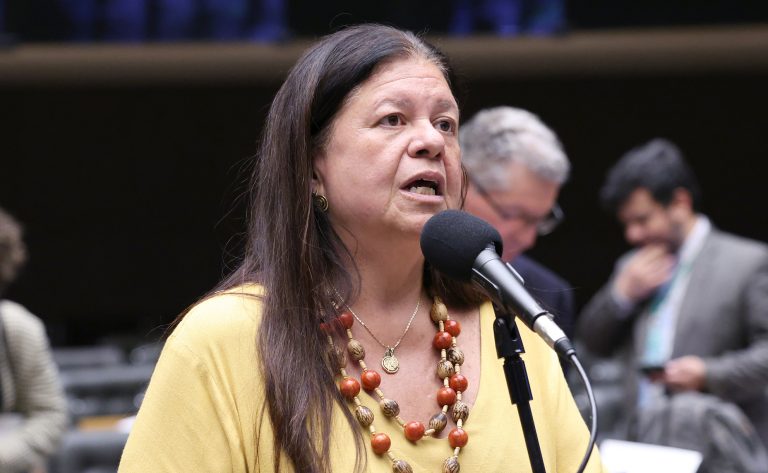

Kayo Magalhães / Câmara dos deputados Deputada Laura Carneiro, autora do projeto O Projeto de
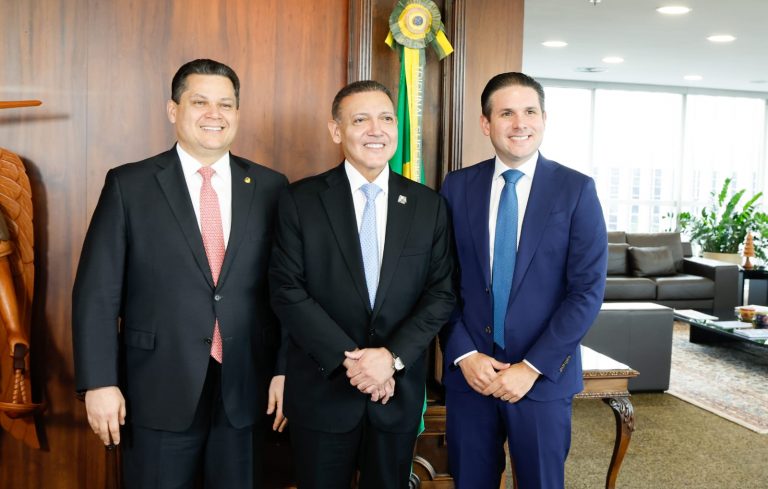
Divulgação Davi Alcolumbre (E), Kássio Nunes e Hugo Motta no TSE O presidente do Tribunal

Tempo de planejamento domiciliar será de 4 horas semanais O Projeto de Lei 3225/26 cria
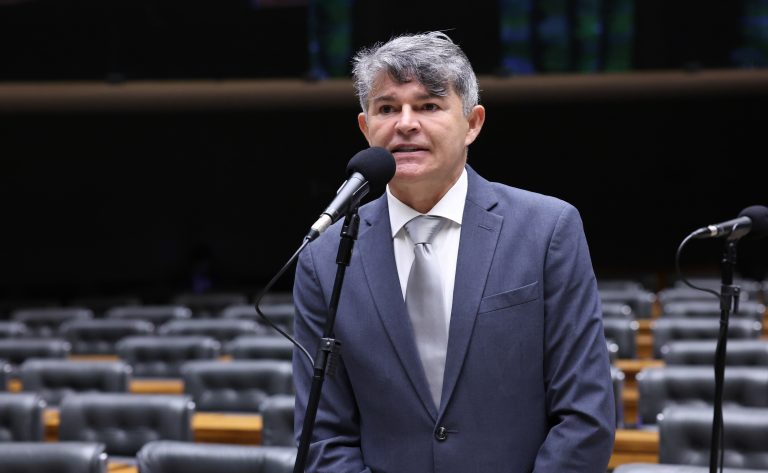
Kayo Magalhães/Câmara dos Deputados José Medeiros: ideia é aproveitar terras improdutivas, não abrir novas fronteiras
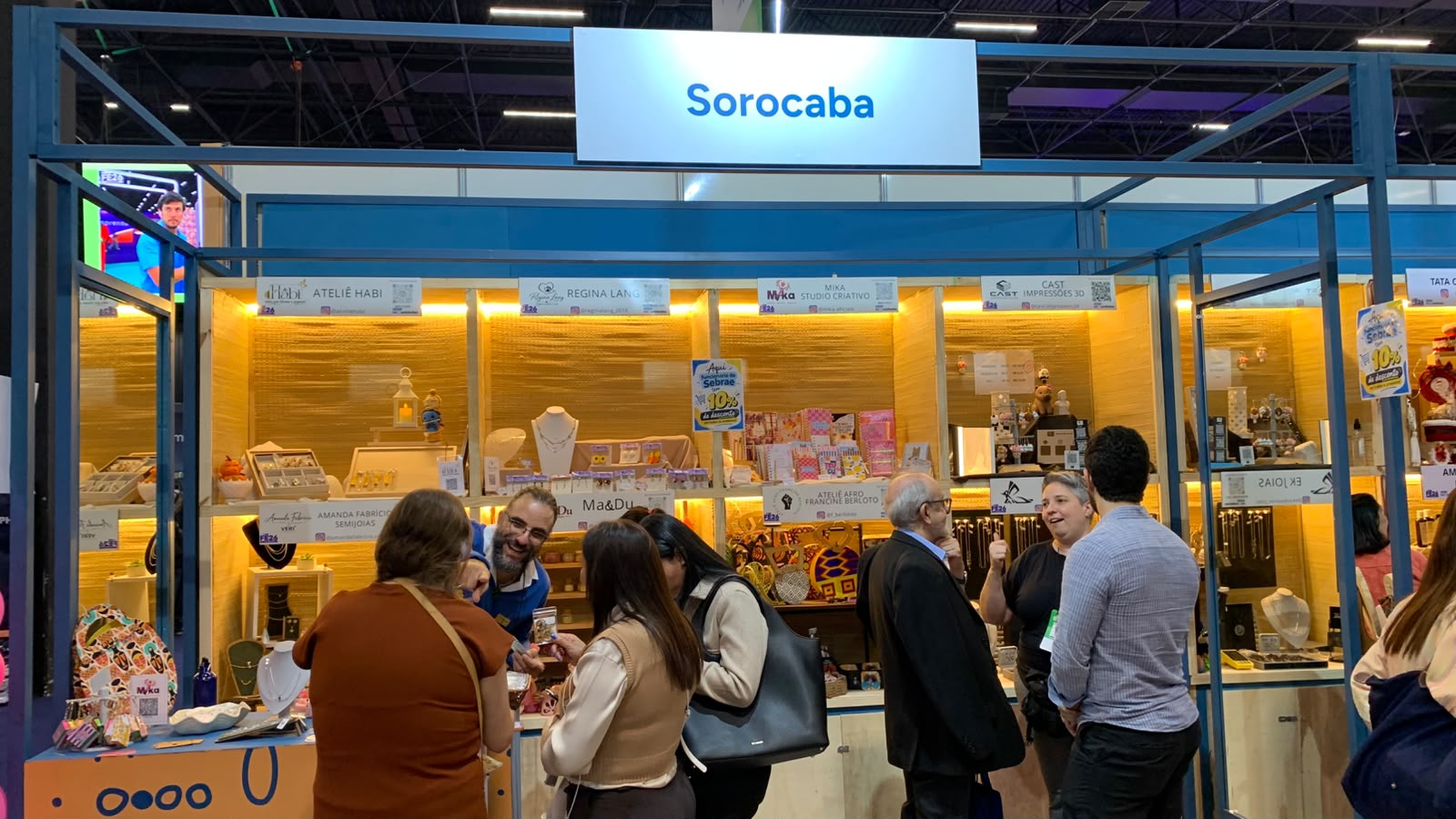
O espaço possibilitou a comercialização de produtos e aproximou os pequenos negócios de novos públicos.

O Sebrae-SP iniciou os tramites para renovação de parceria com a FICAR 2026 (Feira Industrial,

Lilian Primo conversa com Janguiê Diniz no programa Visão & Negócios sobre liderança, inovação e os desafios do crescimento empresarial sustentável.
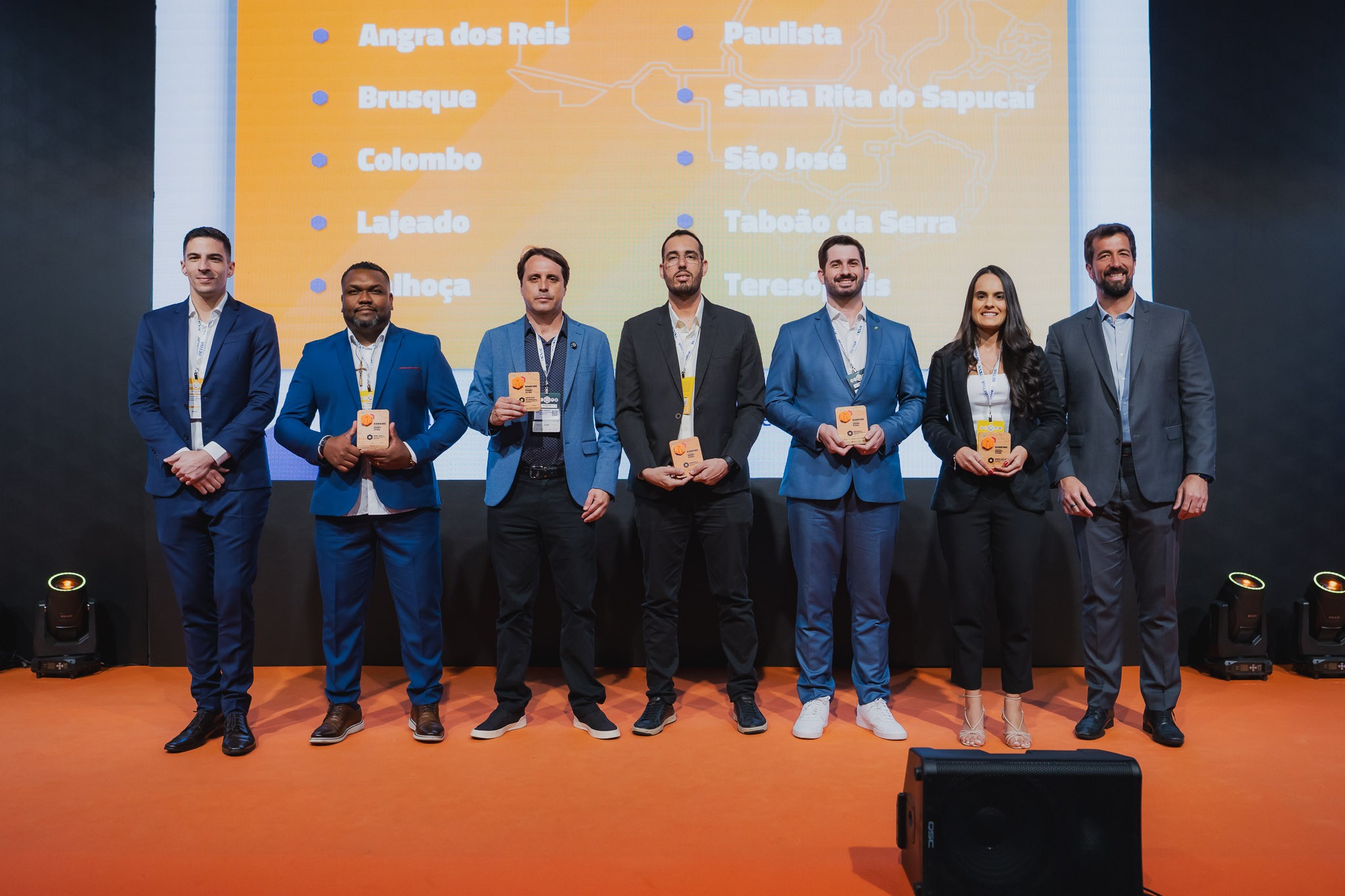
Parte da programação do Cidade CSC, um dos principais eventos dedicados à inovação e planejamento urbano na América Latina, a 12ª edição do
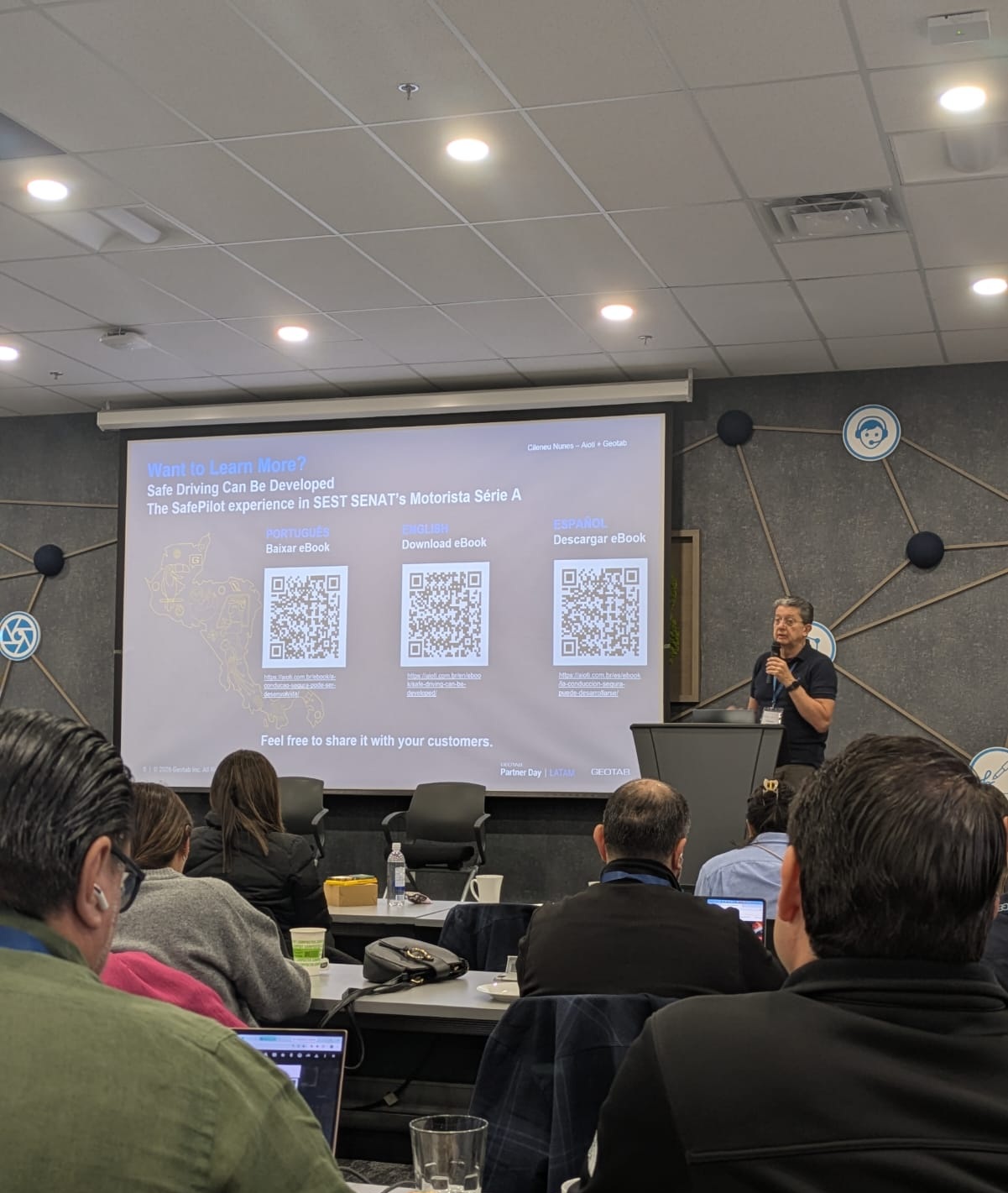
Empresa brasileira demonstrou como a telemática por smartphone pode complementar o monitoramento veicular tradicional, ampliando as possibilidades de gestão da segurança dos motoristas
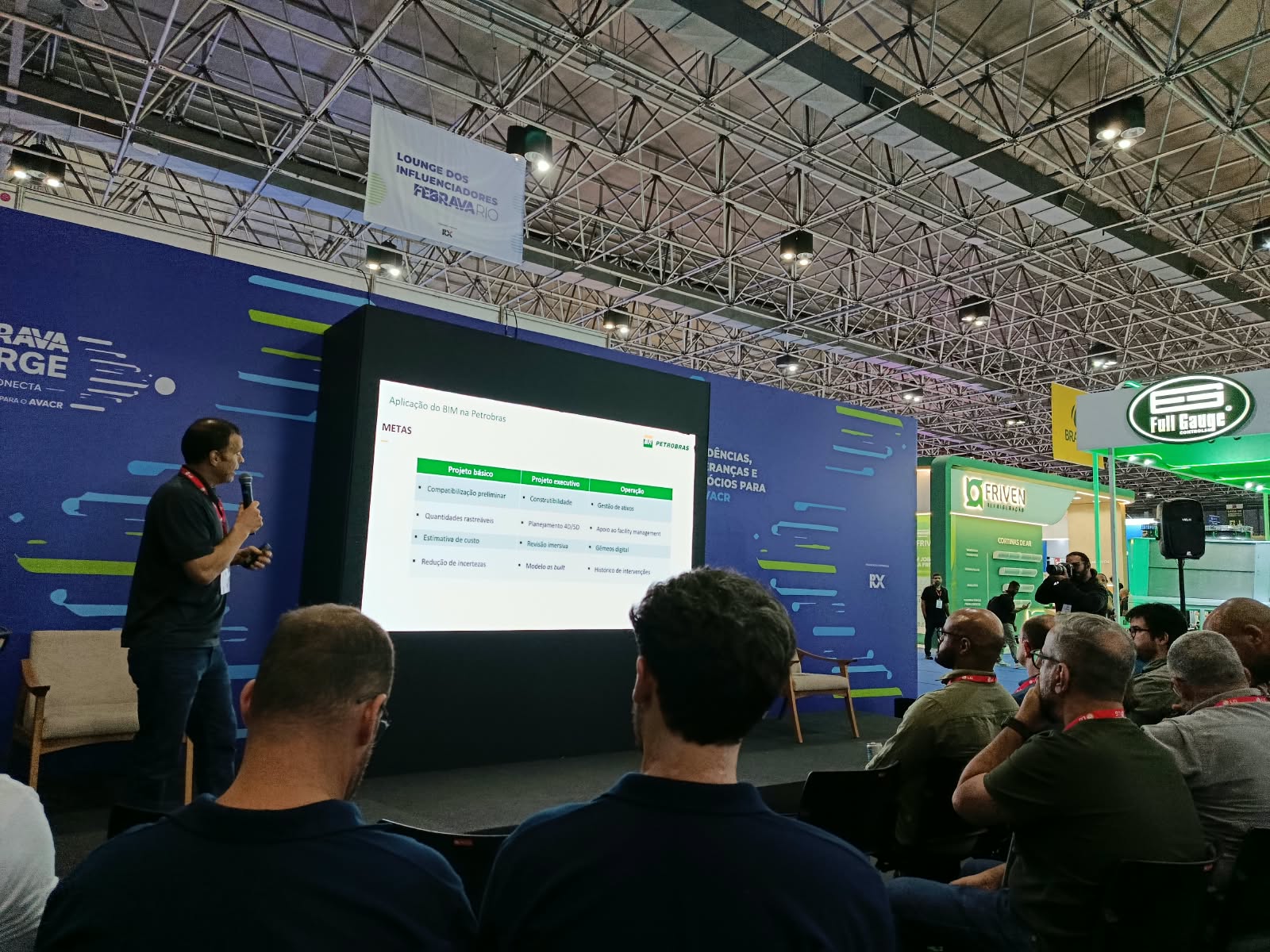
As discussões na Febrava Rio apontaram para uma mudança profunda, à medida que as organizações associam cada vez mais os investimentos em HVAC-R
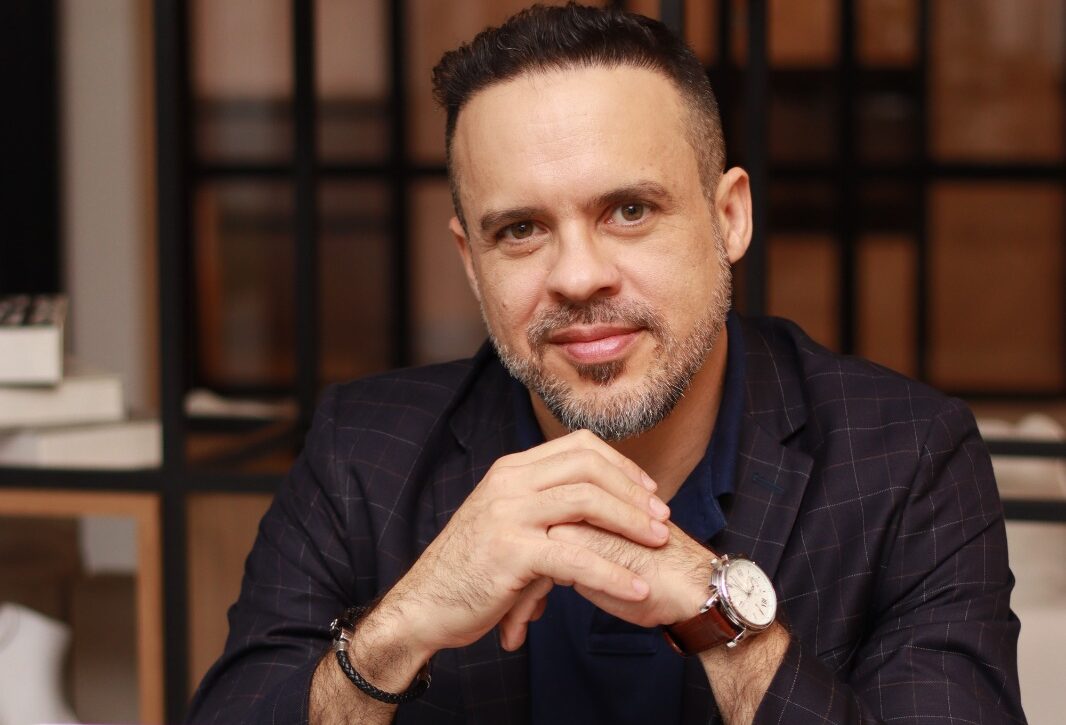
Com atuação em RevOps, arquitetura de receita e IA aplicada aos negócios, especialista defende que o crescimento empresarial depende da integração entre processos,

A Lumu, criadora do modelo de segurança Continuous Compromise Assessment®, anunciou uma nova integração com o CrowdStrike Falcon® Next-Gen SIEM. A integração incorpora

Com o objetivo de promover o intercâmbio de dados de medição e o faturamento de energia do parque de iluminação pública, a Associação
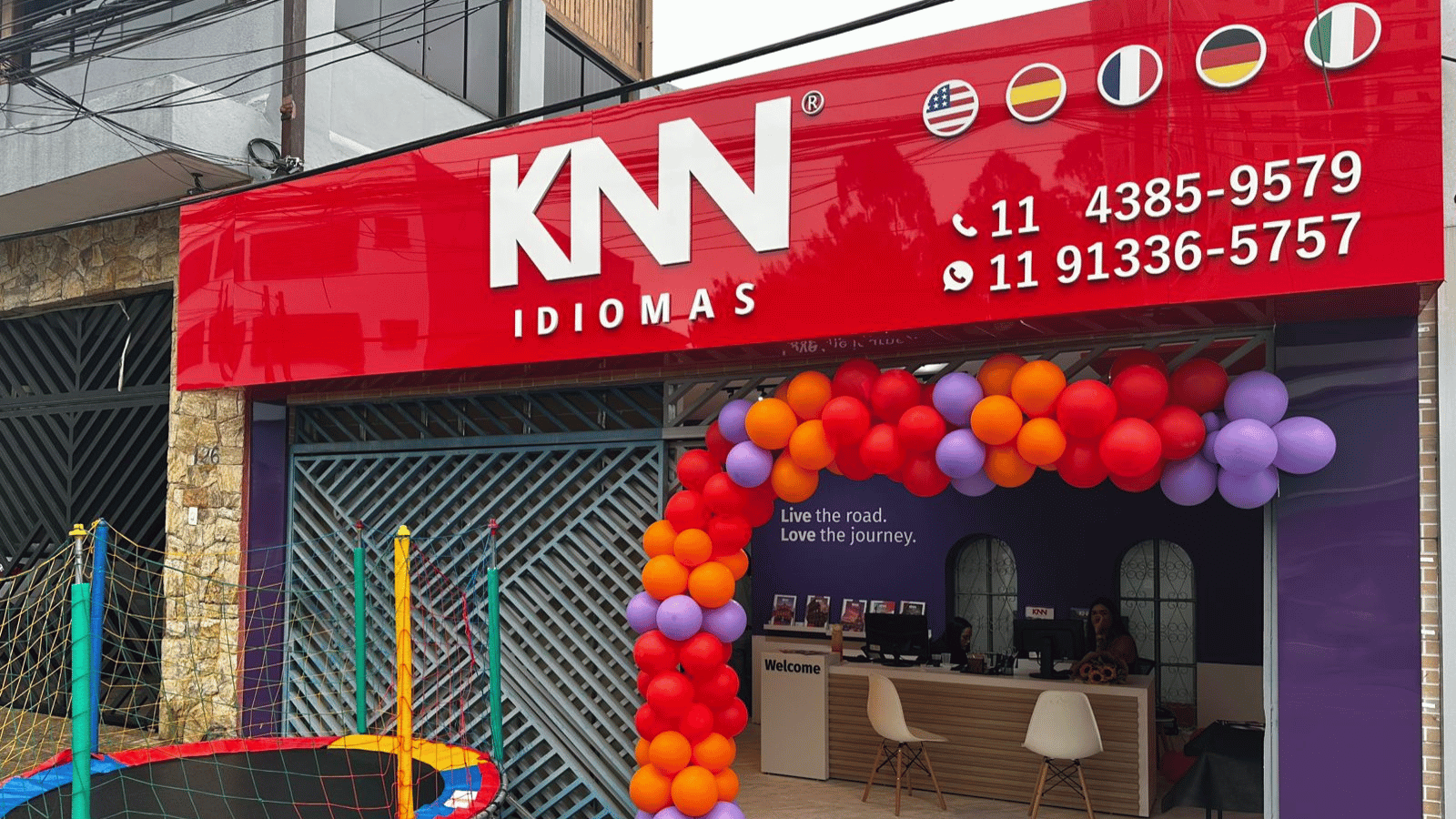
Unidade da KNN Idiomas em Taboão da Serra, na Grande São Paulo, integra o cenário de educação linguística da região, com proposta de ensino voltada à conversação e ao desenvolvimento de competências em idiomas desde a juventude.

A arquitetura do OpenBlue agora é nativa de IA, transformando instalações em edifícios inteligentes e incluindo recursos aprimorados de cibersegurança. Energy & Comfort
Entre a euforia dos vencedores e a frustração dos derrotados, Paulo Cavalcanti provoca uma reflexão sobre a responsabilidade dos brasileiros após as eleições:
Quando a crise atingiu a todos ao mesmo tempo, as empresas já “quebradas” descobriram um trunfo que as saudáveis não tinham: uma casca
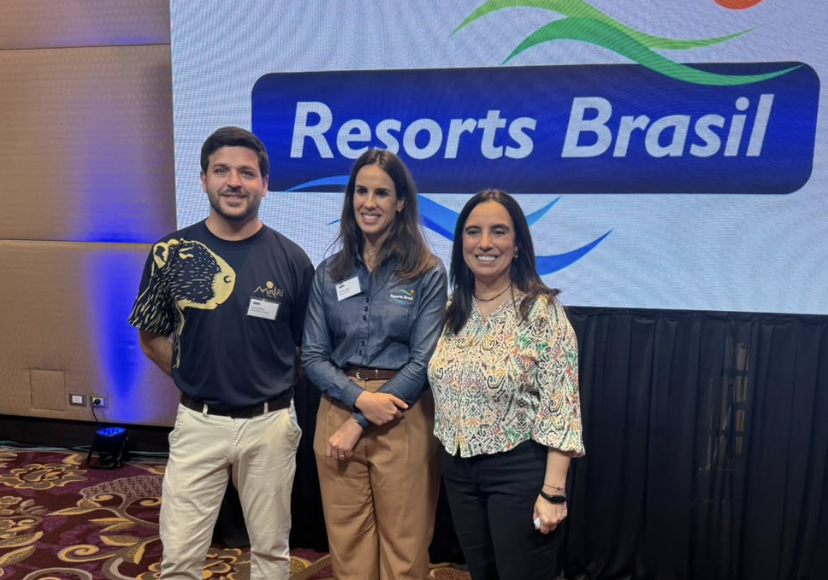
O Malai Manso Resort está ampliando sua estratégia de internacionalização e terá a Argentina como um dos mercados prioritários nesse novo movimento. O

Adibis Concept, em Rio Branco (AC), investe em aperfeiçoamento técnico e atualização profissional por meio de treinamento promovido pela Wella Professionals, reforçando a

Há uma parcela importante do trabalho que só percebemos quando deixa de ser feita. Uma conversa que evita um conflito. Uma decisão tomada

Domingo é o dia da nossa tradicional lista de lançamentos para te ajudar a se programar para os próximos dias. O grande destaque
Divulgação Davi Alcolumbre (E), Kássio Nunes e Hugo Motta no TSE O presidente do Tribunal Superior Eleitoral (TSE), ministro Kássio Nunes Marques, agradeceu
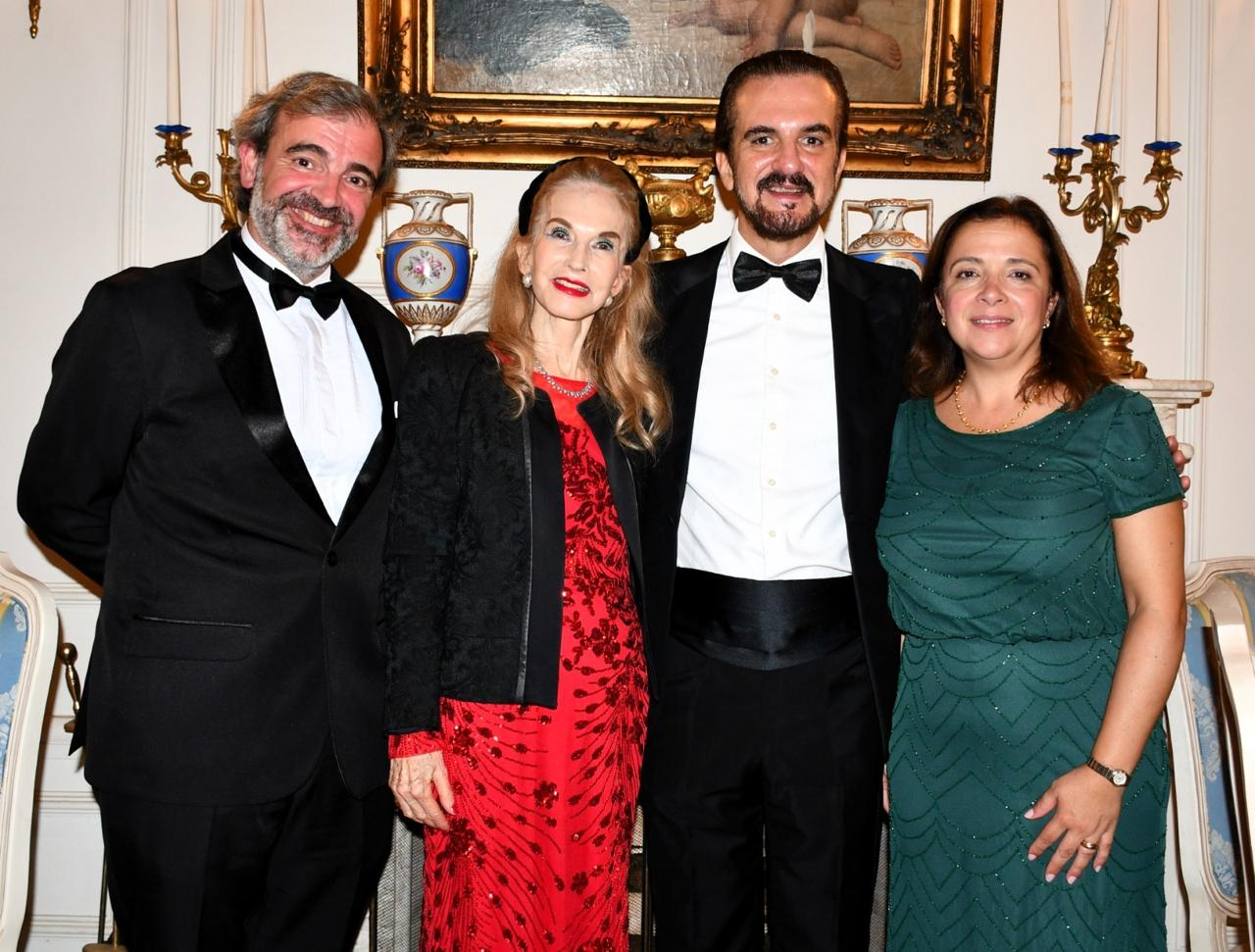
Baronesa Diana Lewe Van Aduard de Macedo Soares e o cônsul honorário da Finlândia, Sérgio Chamone, reuniram 32 convidados em Teresópolis para uma

Luiz Salomão Ribas Gomez é professor titular da Universidade Federal de Santa Catarina (UFSC) e idealizador do Cocreation Lab e fundador da TXM
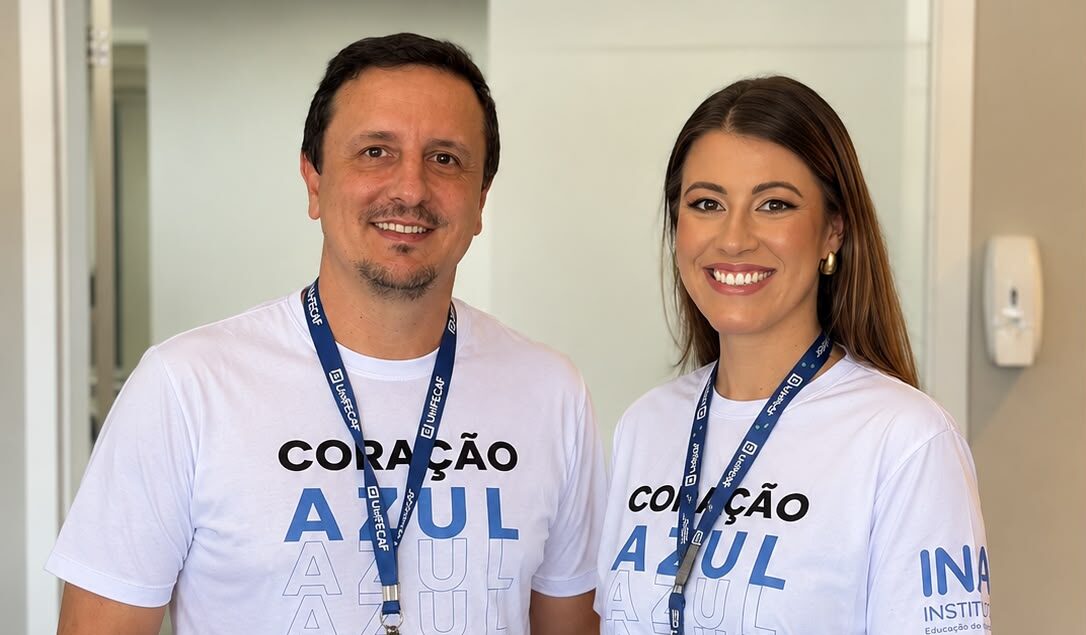
Empreendedorismo que transforma desafios em oportunidades O cenário empresarial brasileiro é movido por mentes inquietas, resilientes e focadas em transformar desafios em grandes
Há um momento em que o empresário deixa de temer a dívida e passa a temer a si mesmo. É aí que a

Ellen Hendriksen, psicóloga clínica em Boston, conversa com frequência com pacientes que se sentem ansiosos em relação ao rumo de suas vidas. Alguns